
The Sew-In Directory — August 3, 2026
Protective Styling for Fine or Thinning Hair: Gentle Sew-In Options in DFW
Choosing a sew in for thin hair is one of the most consequential styling decisions you can make — get it right, and you gain length, volume, and months of low-manipulation growth; get it wrong, and chronic tension becomes the thing quiet…
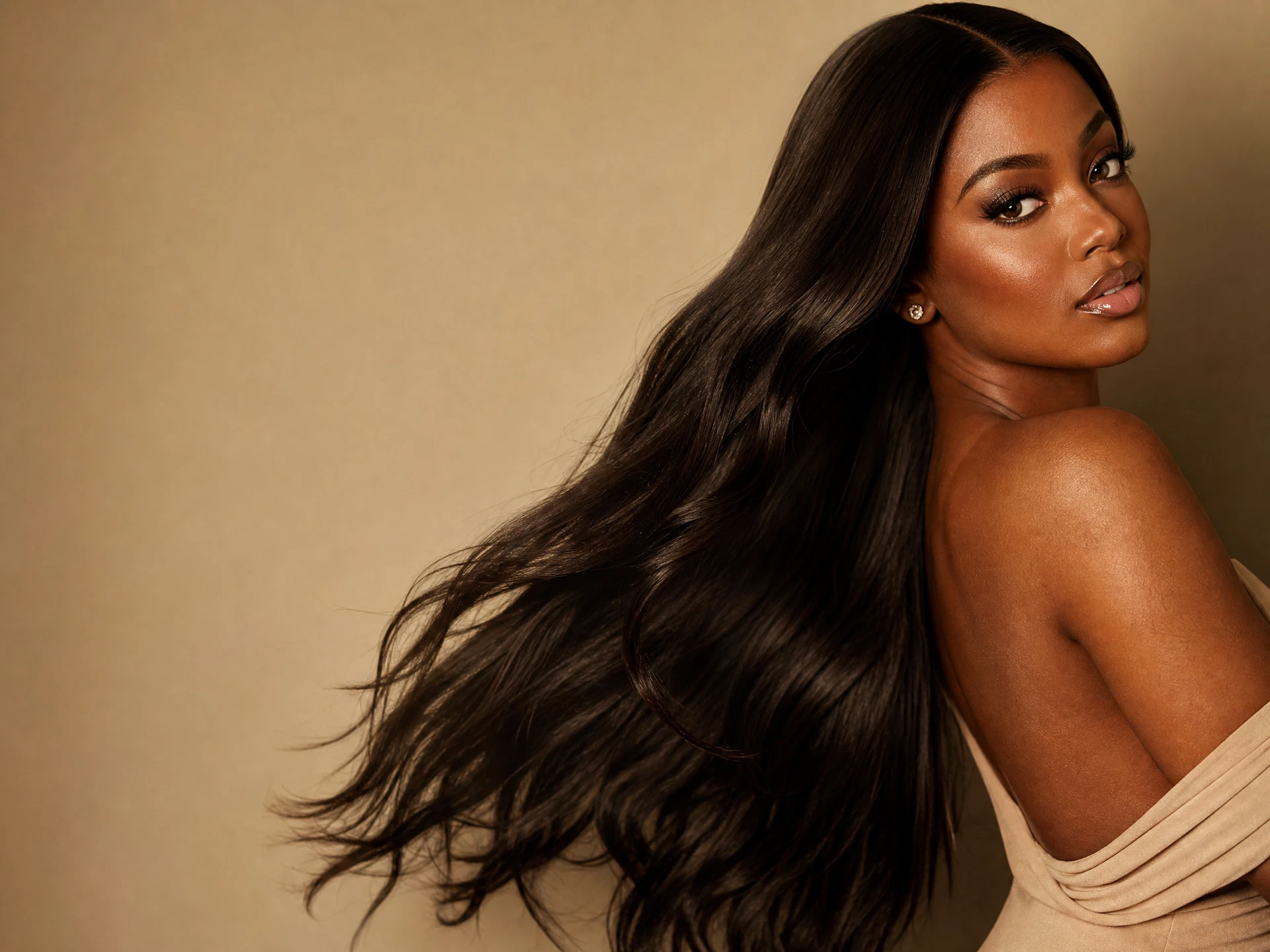
Choosing a sew in for thin hair is one of the most consequential styling decisions you can make — get it right, and you gain length, volume, and months of low-manipulation growth; get it wrong, and chronic tension becomes the thing quietly setting your progress back. Across Dallas, Irving, Plano, Grapevine, and Mesquite, a new generation of stylists is building their reputations on gentle technique, and the options available to fine-haired clients have never been broader. This guide breaks down what you need to know before you book.
Why Tension Is the Core Risk in a Sew In for Thin Hair
The traditional sew-in relies on a cornrowed foundation. Weft tracks are then sewn onto that base, and the weight of the hair — plus the tightness of the braid — sits directly on the scalp and follicle. For clients with a full, dense head of hair, the scalp can absorb that load without issue. For those with fine strands, low hair density, or early-stage thinning, the same load can translate into traction alopecia: progressive hairline recession caused by repeated mechanical stress on the follicle.
The risk zones are predictable. The nape, temples, and hairline edges are the most vulnerable, and they are also the areas where braids are most likely to be pulled tight for a clean foundation. If you've noticed small bumps, soreness lasting more than 48 hours after an install, or hairline recession at the temples after previous styles, those are signals worth discussing openly with any prospective stylist before sitting in their chair.
Protective styles for fine hair succeed when the stylist is willing to modify the foundation — fewer cornrows, looser tension, and strategic track placement that avoids the perimeter entirely.
Braidless Methods: The Gentlest Entry Point
The braidless sew-in eliminates the cornrow foundation altogether. Wefts are anchored using micro beads, adhesive fabric, or a net structure, which means no braiding tension on the scalp whatsoever. For clients with fine or thinning hair, this method is frequently the most sensible starting point. You can read a deeper dive into the mechanics in our post on braidless sew-ins in Dallas explained.
In the Dallas market, Damaris (Damaris Beauty Parlor) offers a Braidless Sew-In as a dedicated service alongside traditional and closure options, with prices ranging from $195–$245. For clients who want a consultation-first environment where technique can be discussed upfront, her Richardson-area studio is worth exploring at her stylist profile.
Also carrying the braidless method is Kendra Shavonne Beauty Solutions in Cedar Hill, which lists a Braidless Sew In alongside partial and full options. In the DeSoto area, Extraordinaire Hair Bar LLC lists a Microlinks/Braidless Sewin as part of their service menu, priced from $210–$300, making them one of the more specialized options in the southern Dallas corridor.
Closure and Partial Installs: Reducing Weight and Coverage Area
Not every fine-haired client needs a full head of wefts. A partial sew-in or closure sew-in covers only the top or crown area, leaving natural perimeter hair out. This dramatically reduces the number of tracks anchored to the scalp, which reduces weight and foundation tension. The closure piece — a 4×4 or 5×5 panel — also removes the need for a tight leave-out around the hairline, a common source of breakage for fine-stranded clients.
Keisha Brown (The Hair Length Studio) in Plano is one of the most comprehensively equipped stylists on the directory for this conversation. Her menu spans Partial Sew In, Full Sew In, Lace Closure Sew In, and a single-track Tracking option, all within a $60–$500 price range — which means she has the structural knowledge to downscale the install to exactly what the hair can support. Plano clients can also browse the broader Plano sew-in hub for additional options in that area.
In Mesquite, The Dallas Extension Club stands out specifically because their service menu explicitly includes a thinning/balding sew-in — one of very few listings in the DFW directory to name this client need directly. Services run $185–$275. Visit their profile for full details.
A Service and Price Comparison for Fine-Hair-Friendly Methods
The following table draws only from verified listing data in the directory and is meant to help clients identify realistic budget ranges before they reach out.
| Stylist / Studio | City | Gentle Method(s) Available | Price Range |
|---|---|---|---|
| Damaris (Damaris Beauty Parlor) | Dallas / Richardson | Braidless Sew-In; Closure Sew-In | $195–$245 |
| The Dallas Extension Club | Mesquite | Thinning/Balding Sew-In; Closure | $185–$275 |
| Keisha Brown (Hair Length Studio) | Plano | Partial, Closure, Single-Track | $60–$500 |
| Kendra Shavonne Beauty Solutions | Cedar Hill | Braidless, Partial, Closure | $175–$300 |
| Extraordinaire Hair Bar LLC | DeSoto | Braidless (Microlinks) Sewin | $210–$300 |
| Evelyn Kershaw Salon | Plano | Hand-Tied Wefts; Tape-In | n/a (consult) |
| Joy Williams (The Vine Salon and Spa) | Grapevine | Hidden Bead Sew Ins | $200+ |
| Alyson (Dallas Hair Extensions) | NW Dallas | Micro Link Install; Closure | $155–$550 |
| Ciara Coleman (Girl Code Pro) | Dallas | Microlink Sew In; Half Up/Down | $160–$315 |
| MLX Hair Studio | McKinney | Braidless Sew-In; Glueless Closure | $200–$260 |
Healthy Hair Stylists in Dallas and DFW Worth Knowing
Being a healthy hair stylist Dallas clients can rely on means more than knowing how to thread a needle through a weft. It means asking about your hair's history at the consultation, assessing scalp health before laying a single track, and recommending against an install if the hair isn't ready for it.
Ciara Coleman (Girl Code Pro) in Dallas offers a Microlink Sew In as part of her menu — a technique that, like braidless methods, avoids the cornrow foundation and distributes weight through small individual bead attachments. Her range of $160–$315 covers multiple format options. View her full listing at /stylists/ciara-coleman-dallas.
Monique G. (HairGoddess Artistry) in Dallas/Uptown lists Micro-Link Extensions and Natural Hair Extensions alongside traditional styles — a service offering that signals familiarity with fine or natural hair textures that require lower-manipulation handling.
In Grapevine, Joy Williams (The Vine Salon and Spa) is one of the few directory stylists who names Hidden Bead Sew Ins as a primary service — a beaded-weft method that sits on a small, flexible track rather than a tight cornrow. For Grapevine-area clients, this is a meaningful differentiator. The full Grapevine city hub has additional options in that market.
For Irving specifically, clients looking for a sew in without tension in Irving will find Susan Jones (Solex Salon) offering Invisible Part, Closure, and Traditional Sew In services at $150–$265 — a range that accommodates partial and minimized coverage installs. Browse other verified Irving stylists at /texas/irving/sew-in.
What to Ask at Your Consultation
Booking a consultation rather than going straight to a service appointment is the single most effective thing a fine-haired client can do. The right stylist will welcome these questions; a stylist who deflects them is telling you something important.
- How do you adjust cornrow tension for finer hair? A confident answer involves reducing the number of rows, avoiding the perimeter hairline, and keeping braids in the mid-scalp range only.
- Do you offer a braidless or net-based alternative? If braidless isn't in the menu, some stylists can still work with a net or vented cap system that distributes tension more evenly.
- How many tracks will the install require? Fewer tracks mean less weight. A partial or single-track install might be the right starting point.
- What is your removal process? Improper removal is just as damaging as improper installation. Ask whether the stylist does their own removals and what products they use.
A thorough look at all verified DFW sew-in and extension specialists is available through the complete stylists index.
Good to Know
Frequently Asked Questions
Keep Reading
Related from the Journal
How Long Does a Sew-In Last in Texas Heat? A North Texas Maintenance Guide
Living in Dallas-Fort Worth means you already know the drill: from late May through September, the thermometer routinely cracks 100°F, humidity clings like a second skin, and your hair — protected or not — takes the full brunt of it. If …
Grapevine & Northeast Tarrant Sew-Ins: Boutique Salons Near Main Street (2026 Guide)
Grapevine sits at an interesting crossroads in the DFW hair market. Historic Main Street's boutique retail character has shaped the salon culture here — suites tend to run smaller and more curated than the mega-salon strips you'll find i…
Sew-In Hair Buying Guide for DFW: Bundles, Raw Hair & What Stylists Require
Choosing the right hair bundles for sew in installations is just as important as choosing the right stylist — and in the DFW market, where service menus range from $65 traditional installs to $1,050 luxury extension systems, arriving at …